If you are navigating the transition to a clean beauty routine, you have probably found yourself staring longingly at a Charlotte Tilbury counter, wondering: can I still use Pillow Talk?
Charlotte Tilbury is arguably the most coveted luxury makeup brand in the UK right now. Known for its old Hollywood glamour, glow-boosting formulas, and universally flattering shade ranges, it is a staple in almost every makeup bag. However, for those of us who scrutinise ingredient lists for microplastics, parabens, and synthetic fragrances, figuring out which products meet our personal clean beauty standards can feel like a full-time job.
To make things easier, we have compiled a comprehensive, easy-to-understand guide to every Charlotte Tilbury product currently available in the UK. We have analysed the UK ingredient lists, broken down the most commonly searched concerns, clarified their cruelty-free and vegan status, and created a colour-coded interactive spreadsheet so you can make informed choices about what goes on your skin.
Is Charlotte Tilbury Cruelty-Free? The China Situation Explained
One of the most frequently asked questions about Charlotte Tilbury is regarding their cruelty-free status, specifically concerning the Chinese market. The landscape of animal testing laws in China has been notoriously complex and ever-changing, leading to widespread confusion among consumers.
The short answer is: Yes, Charlotte Tilbury is cruelty-free and certified by Leaping Bunny.
The longer answer requires a bit of context. For many years, mainland China required mandatory animal testing on all imported cosmetics sold in physical retail stores. In 2020, Charlotte Tilbury briefly entered the Chinese market through physical retail, which caused significant concern within the cruelty-free community, as this meant their products could potentially be subject to post-market animal testing by Chinese authorities.
However, Charlotte Tilbury subsequently withdrew from physical retail in mainland China. They now only sell to Chinese consumers via cross-border e-commerce (direct online shipping). This specific retail route bypasses China's mandatory animal testing laws. Because of this operational change, Charlotte Tilbury was able to regain and maintain their Leaping Bunny certification. They do not test their finished products or ingredients on animals, nor do they ask suppliers or third parties to do so on their behalf.
It is important to note one caveat for strict cruelty-free consumers: Charlotte Tilbury is owned by the Spanish luxury fashion and beauty group Puig. Puig, as a parent company, is not entirely cruelty-free across all of its subsidiary brands. While Charlotte Tilbury operates independently regarding its animal testing policy, those who only purchase from fully cruelty-free parent companies may choose to avoid the brand.
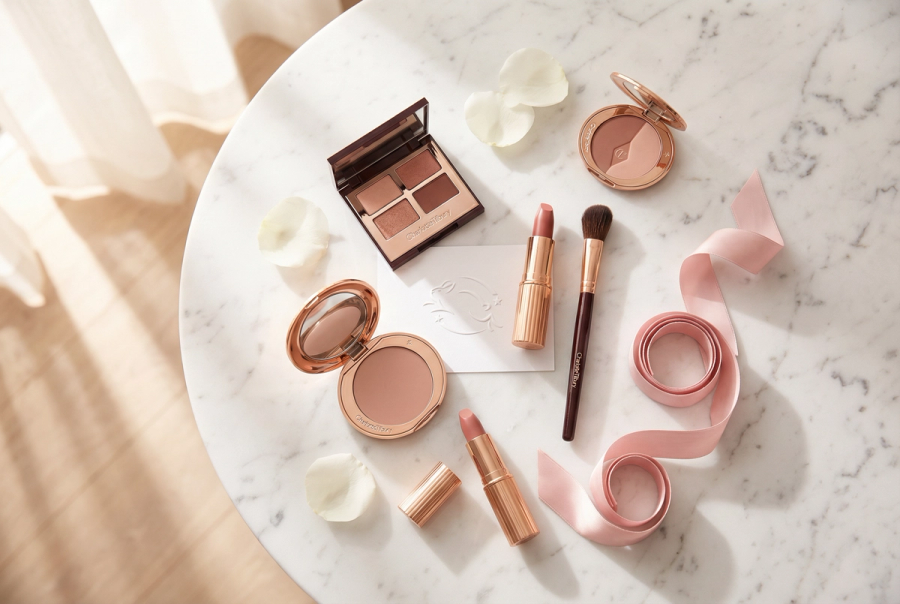
The Verdict (April 2026): Charlotte Tilbury is cruelty-free and Leaping Bunny certified. They do not sell in physical stores in mainland China. They are NOT a fully vegan brand — many products contain animal-derived ingredients such as beeswax, carmine, lanolin, and silk. Their vegan products are labelled on their website. Parent company Puig is not cruelty-free across all brands.
Are Charlotte Tilbury Products Vegan?
Cruelty-free does not automatically mean vegan. While no Charlotte Tilbury products are tested on animals, the brand is not fully vegan. Many of their iconic products contain animal-derived ingredients.
The most common non-vegan ingredients found in Charlotte Tilbury formulas include:
- Carmine (CI 75470): A red pigment derived from crushed cochineal insects, frequently used in red and pink lipsticks, blushes, and glosses.
- Beeswax (Cera Alba): Used for texture and adhesion, commonly found in their lipsticks (including the K.I.S.S.I.N.G and Hot Lips ranges) and mascaras.
- Lanolin: A waxy substance derived from sheep's wool, used for its emollient properties.
- Silk Powder: Sometimes used in setting powders or eyeshadows for a smooth finish.
However, Charlotte Tilbury does offer a substantial and clearly labelled range of vegan-friendly products. We have included a dedicated Vegan? column in our ingredient spreadsheet below to help you easily identify these items.
Understanding the Ingredients: What Are We Looking For?
When evaluating cosmetics for clean standards, the definition can vary wildly from person to person. For this guide, we have analysed the UK ingredient lists against the most commonly searched concerns among clean beauty advocates in the UK.
Higher Concern Ingredients (Red)
- Parabens (Methylparaben, Propylparaben, etc.): Preservatives historically used to prevent bacterial growth. They are widely avoided in clean beauty due to concerns regarding potential endocrine (hormone) disruption.
- Phthalates: Often used as plasticisers or hidden within undisclosed Fragrance or Parfum mixtures. They are also linked to endocrine disruption.
- Microplastics (Polyethylene, Nylon-12, Acrylates Copolymer): Solid, insoluble plastic particles added for texture or film-forming properties. They do not biodegrade and pose a significant environmental threat. The EU and UK are actively phasing out intentionally added microplastics. Note: silicones are NOT microplastics and are listed separately.
- Formaldehyde Releasers (DMDM Hydantoin, Imidazolidinyl Urea): Preservatives that slowly release small amounts of formaldehyde (a known carcinogen and sensitiser) over time.
- Chemical Sunscreens (Homosalate, Octinoxate, Oxybenzone): UV filters that absorb into the bloodstream and are suspected of being potential hormone disruptors. They are also associated with coral reef bleaching.
Moderate Concern Ingredients (Amber)
- Silicones (Dimethicone, Cyclopentasiloxane): Synthetic polymers that give makeup its silky, spreadable slip. While generally considered safe for human health, they are slow to biodegrade and are an environmental concern. They can also exacerbate congestion for some acne-prone individuals. Silicones are NOT microplastics.
- Synthetic Fragrance (Parfum): A blanket term that can represent dozens of undisclosed chemicals, including potential allergens, sensitisers, and phthalates. It is a common trigger for sensitive skin and rosacea.
- Talc: A naturally occurring mineral used as a bulking agent in powders. The primary concern is potential cross-contamination with asbestos during mining. Cosmetic-grade talc in the UK and EU is strictly regulated.
- PEGs (Polyethylene Glycols): Used as thickeners, solvents, and moisture-carriers. The concern lies in potential contamination with 1,4-dioxane during manufacturing.
- BHA / BHT: Synthetic antioxidants used as preservatives. BHA is classified as a possible human carcinogen and potential endocrine disruptor.
The Colour-Coded Ingredient Spreadsheet
We have categorised every current UK Charlotte Tilbury product using a simple colour-coded system based on the ingredients outlined above.
- Green (Clean): Free from parabens, phthalates, microplastics, formaldehyde releasers, and chemical sunscreens. These are the cleanest options in the range.
- Amber (Moderate): Contains ingredients like silicones, PEGs, synthetic fragrance, BHA/BHT, or talc. No parabens or microplastics.
- Red (Higher Concern): Contains higher-concern ingredients such as parabens, solid microplastics, formaldehyde releasers, or chemical sunscreens.
Use the search bar to find any product instantly, or filter by Clean, Moderate, Higher Concern, or Vegan Only. You can also sort any column alphabetically.
Our Top Clean Aesthetic Picks
If you are looking to curate an aesthetic, high-performing makeup bag while sticking to the cleanest formulas Charlotte Tilbury offers, here are our top recommendations:
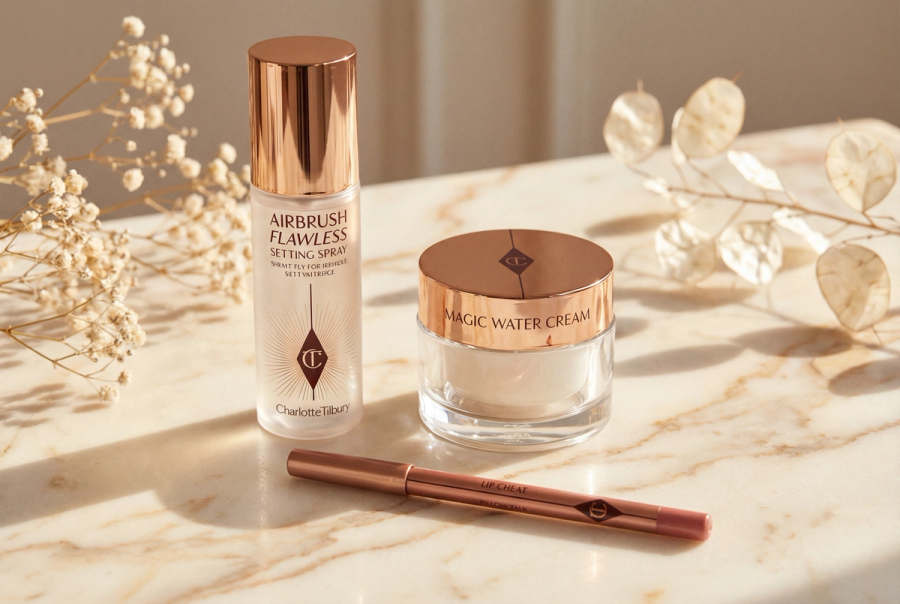
- Charlotte's Magic Water Cream: A fantastic, lightweight alternative to the original Magic Cream. It is silicone-free, vegan, and skips the chemical sunscreens found in the original formula.
- Airbrush Flawless Setting Spray: A cult favourite for a reason. It is vegan, free from heavy silicones, and locks makeup in place beautifully.
- Hollywood Flawless Filter: While it does contain some synthetic polymers, it avoids the heavier silicones and microplastics found in many competing illuminating primers.
- Lip Cheat Lip Liners: A staple product. They are vegan-friendly and avoid the beeswax and carmine often found in the brand's traditional lipsticks.
- Collagen Superfusion Facial Oil: A clean, vegan facial oil with a minimal ingredient list and no synthetic fragrance concerns beyond the parfum note.
- Cheek to Chic Blush: Vegan-friendly and one of the more moderate-rated powder products in the range.
Important Notes & Disclaimer
This guide is based on publicly available UK ingredient lists from Charlotte Tilbury's website, INCIDecoder, and CosDNA as of April 2026. Formulas can and do change — always check the current ingredient list on the physical product packaging or the Charlotte Tilbury UK website before purchasing.
What counts as clean is deeply personal and varies between individuals. This guide is for informational purposes only and does not constitute medical or dermatological advice. EmJ Edit is not affiliated with Charlotte Tilbury.