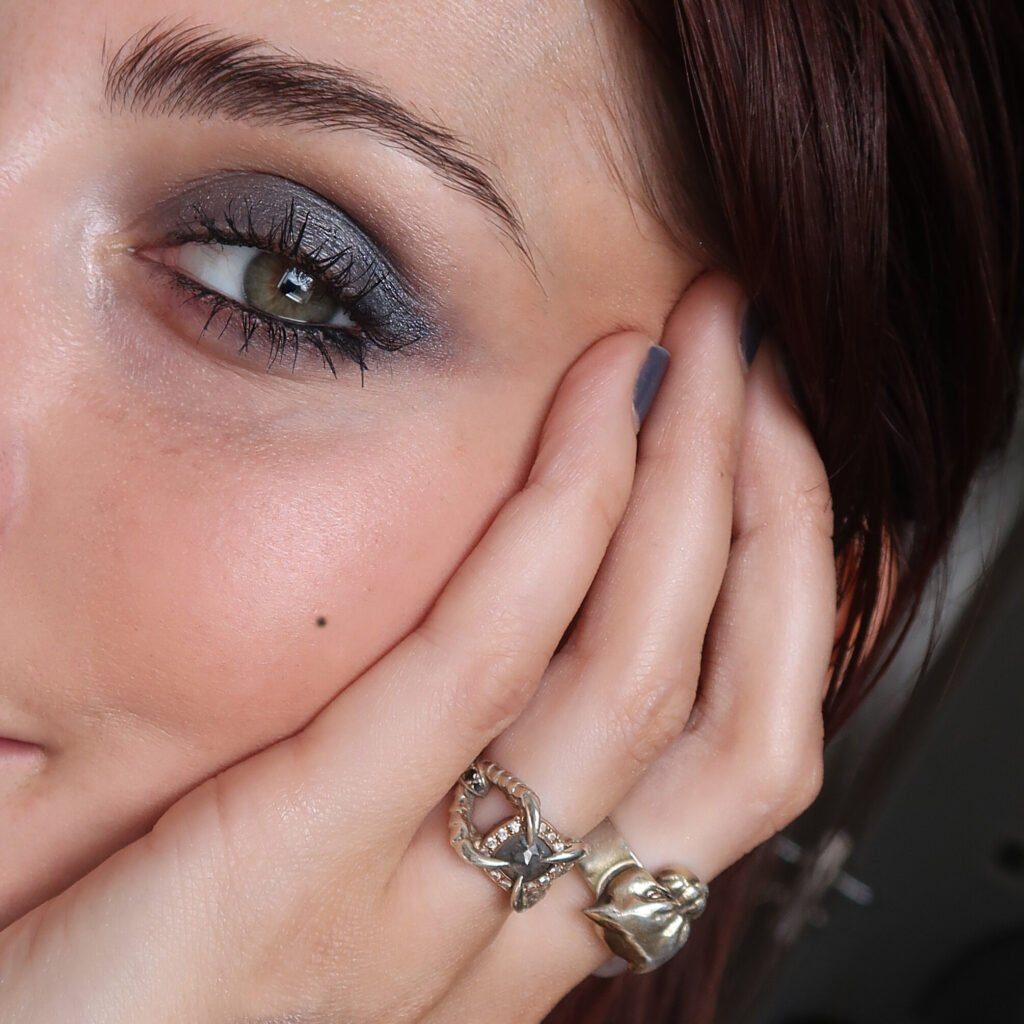
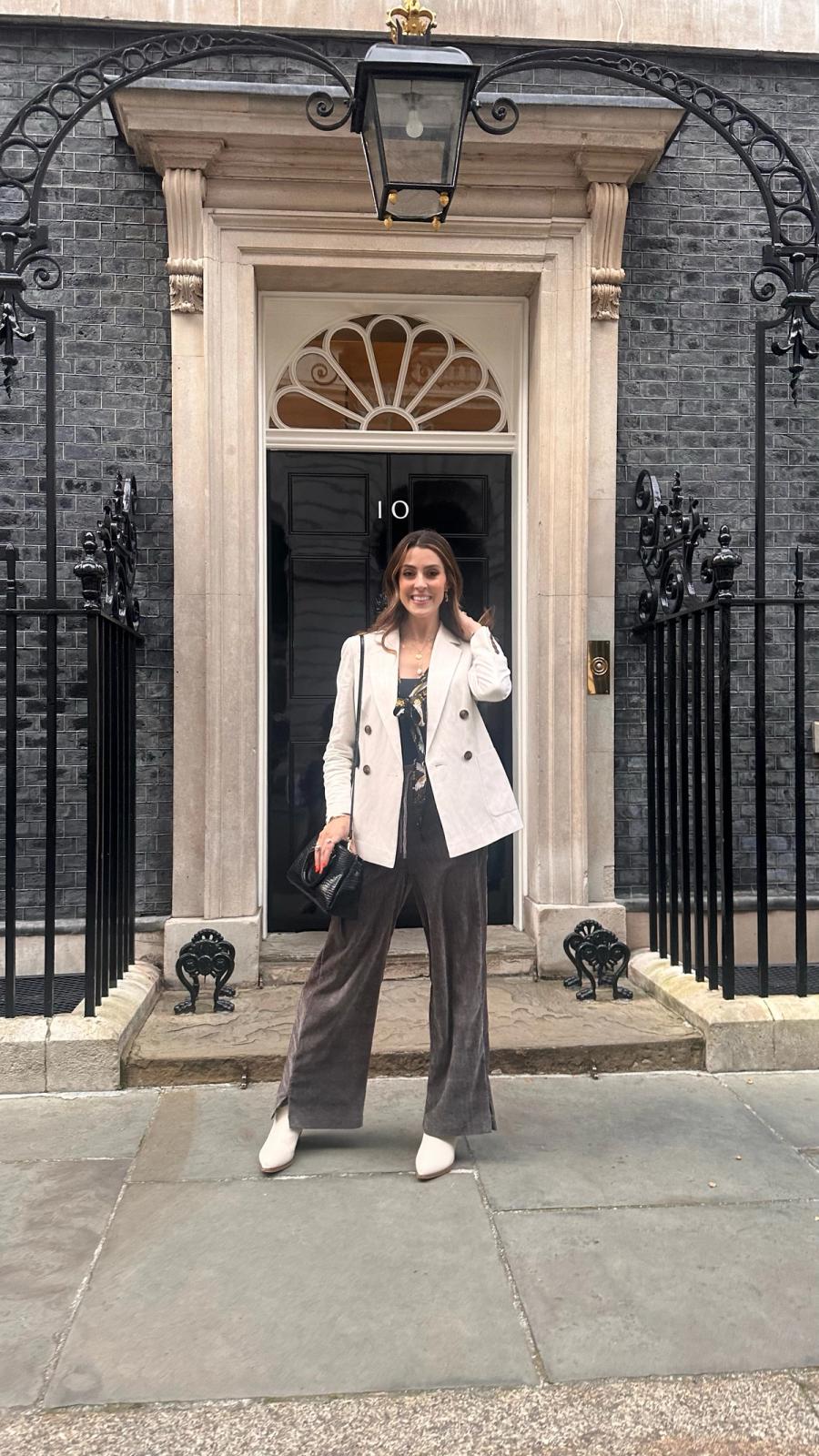
After 20 years as a Make-up Artist and nearly a decade working in animal welfare, last week I experienced a milestone I never expected. I found myself standing outside the iconic black door of 10 Downing Street, surrounded by MPs, thought leaders, and activists, all fighting for one common goal: to end animal testing for good.
While we celebrated the incredible progress made in the cruelty-free beauty space, the conversations inside the room highlighted a confusing reality. Many of us believe that animal testing for cosmetics in the UK is completely illegal and a thing of the past. But the truth is much more complicated.
If you want to ensure your makeup bag and bathroom cabinets are genuinely cruelty-free, here is everything you need to know about the current status of animal testing in the UK, the loopholes you need to watch out for, and how to shop with confidence.
Inside My Visit to Downing Street
The evening at Downing Street was hosted by the Chancellor of the Exchequer, Rachel Reeves, and her powerhouse daughter, celebrating the UK's thriving cruelty-free industry. It was incredibly inspiring to be in a room with organisations like Cruelty Free International and PETA, alongside industry trailblazers like Mark Constantine (co-founder of Lush and actually a relation of mine!).
We also heard from Emma Reynolds (MP for Wycombe), who is actively working to strengthen the laws around animal welfare, and celebrated the incredible work of labs like XCellR8, who are pioneering non-animal testing methods.
The UK government has now committed £75 million to phase out animal testing faster, utilising AI and lab-grown 3D human tissue instead of animals. It's a huge step forward, but we still have work to do.
The Current Status of Animal Testing in the UK
To understand where we are today, we have to look at the history of the UK's animal testing laws. It can be confusing, so let's break it down simply.
The 1998 Ban and The Hidden Loophole
In 1998, the UK proudly became the first country in the world to ban the testing of finished cosmetic products and their ingredients on animals. For years, we thought the battle was won.
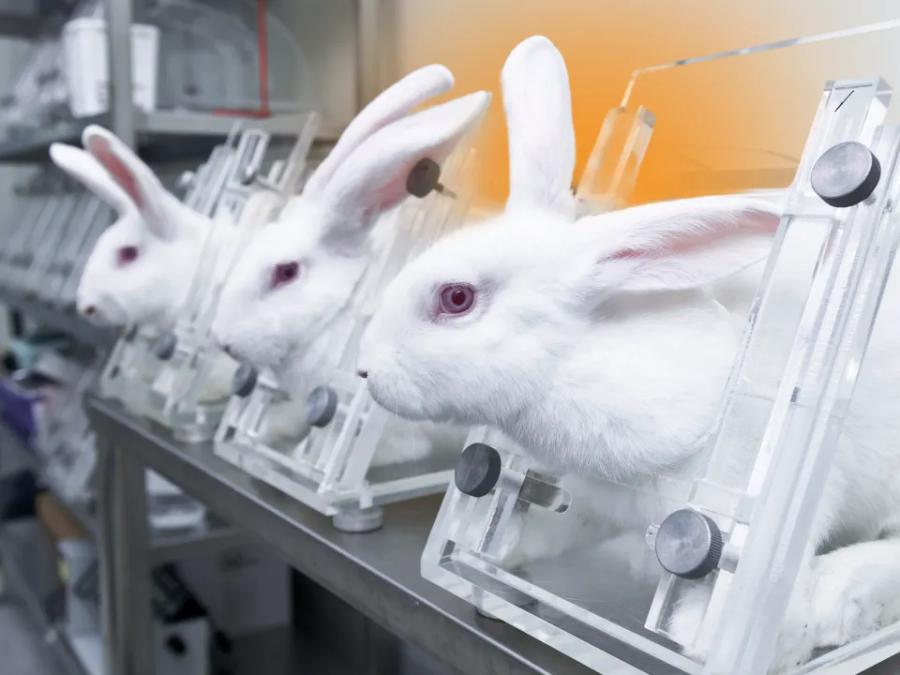
However, a loophole emerged under chemical safety regulations known as REACH. Under these rules, certain cosmetic ingredients were quietly required to be tested on animals — such as rabbits and mice — under the guise of 'worker safety' during the manufacturing process. This meant that animals were still suffering, often without the public or even the brands themselves fully realising.
The 2023 Reinstatement
Thankfully, in May 2023, after immense pressure from organisations like the Leaping Bunny Program, Cruelty Free International, PETA, Lush, and The Body Shop, the UK government effectively reinstated the ban, ensuring no new licences would be granted for animal testing of cosmetic ingredients.
However, there is still a risk that even though a brand says they are cruelty-free, an ingredient could have still been tested on animals.
The 2025/2026 Roadmap
Now, the government is pushing even further. A new roadmap has been unveiled to accelerate the phase-out of animal testing across all scientific research, setting strict deadlines to end regulatory testing on animals for skin and eye irritation by the end of 2026.
Why 'Cruelty-Free' Labels Can Still Be Misleading
Even with these positive changes in the UK, navigating the beauty aisles can still be a minefield. Just because a brand claims to be 'cruelty-free' or says 'we do not test on animals,' it doesn't mean their products are 100% free from animal cruelty.
Here is why risk still exists:
- Ingredient Testing: While a finished face cream might not be tested on animals, the individual raw ingredients inside it might have been tested by a third-party supplier.
- The China Loophole: Historically, any beauty brand selling physical products in mainland China was required by law to submit their products for animal testing. While China has relaxed these laws for 'general' cosmetics, special use cosmetics (like sunscreens and hair dyes) are still at risk. Brands sold in physical stores there can still carry risk.
Products Most at Risk for Animal Testing
When it comes to the 'worker safety' chemical loopholes and international testing laws, not all products are created equal. Some categories are far more likely to be subjected to animal testing than others:
- Sunscreens and SPF Products: Because SPF is heavily regulated as an over-the-counter drug in many countries, new UV filters are often subjected to rigorous animal testing.
- Innovative Active Ingredients: Brand new, never-before-used anti-ageing peptides, acids, or synthetic chemicals are more likely to face chemical safety testing than long-established natural ingredients.
- Hair Dyes and Bleaches: These contain strong, potentially hazardous chemicals that frequently fall under worker safety testing requirements.
- Preservatives and Fragrances: Synthetic preservatives and complex fragrance blends are heavily scrutinised for skin sensitisation and toxicity.
How to Guarantee Your Products are Cruelty-Free
With all this confusion, how can you actually know if your money is funding animal testing?
The safest way to know? Look for the Leaping Bunny certification.
The Leaping Bunny logo (run by Cruelty Free International) is the global gold standard for cruelty-free cosmetics. They don't just take a brand's word for it — they independently audit the brand's entire supply chain to ensure absolutely no animal testing is happening at any stage of production, anywhere in the world.
Leaping Bunny Certified Brands to Shop in 2026
Here is your go-to guide to Leaping Bunny certified brands, organised by category. Every single brand below has been independently verified — no greenwashing, no loopholes.
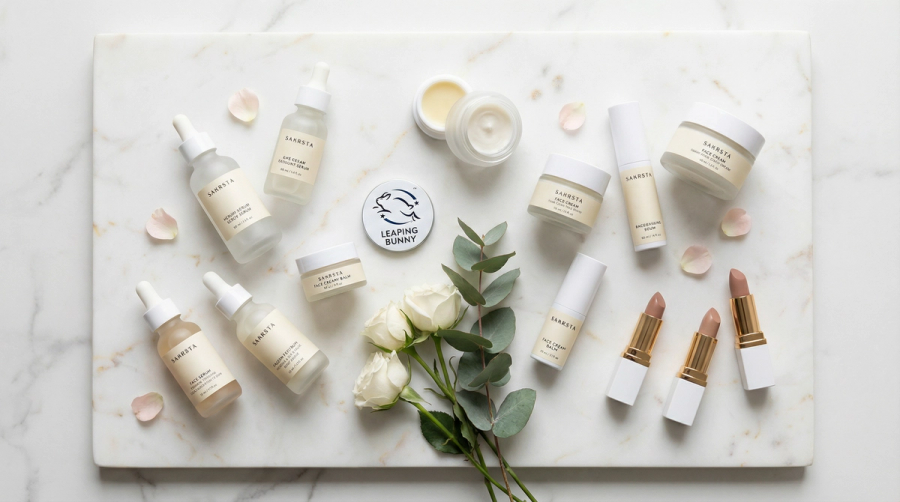
💄 Make-Up — Leaping Bunny Certified (A–Z)
- Bella Pierre Cosmetics
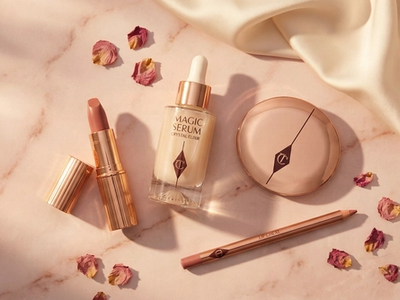
- Charlotte Tilbury
- CoverGirl
- e.l.f. Cosmetics
- Glossier
- Hynt Beauty
- Jones Road Beauty
- LYS Beauty
- MUA Cosmetics
- P.Louise
- REFY Beauty
- Saie Beauty
- Sculpted by Aimee
- Tropic Skincare
✨ Skincare — Leaping Bunny Certified (A–Z)
- Aesop
- Aromatherapy Associates
- Biossance
- Botanics (Boots)
- By Sarah London
- Cultured Biomecare
- Dr Jackson's Skincare
- Face Theory
- Farmacy Beauty
- Glow Recipe
- Herbivore Botanicals
- Husk & Seed Skincare
- Little Soap Co.
- Love Ethical Beauty
- Lucy Bee Coconut
- OBVS Skincare
- Omorovicza
- OSEA Malibu
- PAI Skincare
- Parla
- Rhug Wild Beauty
- Saira Skin
- Sana Jardin
- Sukin Skincare
- The INKEY List
- Versed Skincare
💇 Hair Care — Leaping Bunny Certified (A–Z)
- ACURE Beauty
- Andalou Naturals
- Aveda
- Avalon Organics
- Bouclème
- Faith in Nature
- Garnier (select ranges)
- Innersense Organic Beauty
- Maria Nila Stockholm
- Neal's Yard Remedies
- So Good It's Noughty
- Tropic Skincare
🛁 Body Care — Leaping Bunny Certified (A–Z)
- ACURE Beauty
- Alaffia
- Andalou Naturals
- Avalon Organics
- Badger Balm
- Bali Body
- Beauty Kitchen
- Boots (own brand select ranges)
- Cowshed
- Crazy Rumors
- Desert Essence
- Ethique
- Friendly Soap
- Fussy (Deodorant)
- Green Scents
- Hurraw! Balm
- Little Soap Co.
- Lucy Bee Coconut
- Marks & Spencer (select ranges)
- Natural Deoco
- Neal's Yard Remedies
- Plaine Products
- Salt of the Earth Deodorant
- Soap & Glory
- St Moriz
- Superdrug (own brand select ranges)
- The Body Shop
- Tropic Skincare
- UpCircle Beauty
- We Are Miniml
- Wild Refill
Always check the Leaping Bunny website (leapingbunny.org) or download their free app to verify certification status before you buy — brands can join and leave the programme, so it's always worth a quick check!
The Bottom Line
We are making incredible strides towards a truly cruelty-free future, and being at Downing Street reminded me of the power of our collective voices. But until global laws change completely, we have to vote with our wallets.
Look for the Leaping Bunny, ask questions, and support the brands doing it right.
Save & share this post — the more we know, the more animals we protect! Let me know your favourite cruelty-free brands in the comments below!