We have all been there. You are standing in the middle of Boots, holding a gorgeous new moisturiser, squinting at a paragraph of Latin words on the back of the box, wondering if you need a chemistry degree just to buy a face cream.
When you are trying to shop ethically, reading beauty labels can feel like navigating a minefield. Brands know that 'vegan' and 'cruelty-free' are huge selling points now, which means there is a lot of greenwashing out there. A product might say 'cruelty-free' on the front, but still contain animal-derived ingredients. Or it might say 'vegan formula', but the brand still tests on animals where required by law.
I am here to help you cut through the noise. Here is my honest, no-nonsense guide to reading a beauty label, and the sneaky ingredients you actually need to watch out for.
The 'Cruelty-Free' Myth
First things first: 'Cruelty-free' and 'Vegan' are not the same thing. Cruelty-free means the product (and its ingredients) were not tested on animals. Vegan means the product contains no animal-derived ingredients.
To make things more confusing, the term 'cruelty-free' isn't legally regulated. Any brand can slap a picture of a bunny on their packaging. If you want to be 100% sure, look for official certifications like the Leaping Bunny logo or the PETA Cruelty-Free logo. These mean the brand has actually been audited.
The Sneaky Ingredients Hiding in Plain Sight
This is where it gets tricky. Animal ingredients are often disguised under scientific names. Here are the main offenders I always check for:
1. Carmine (CI 75470)
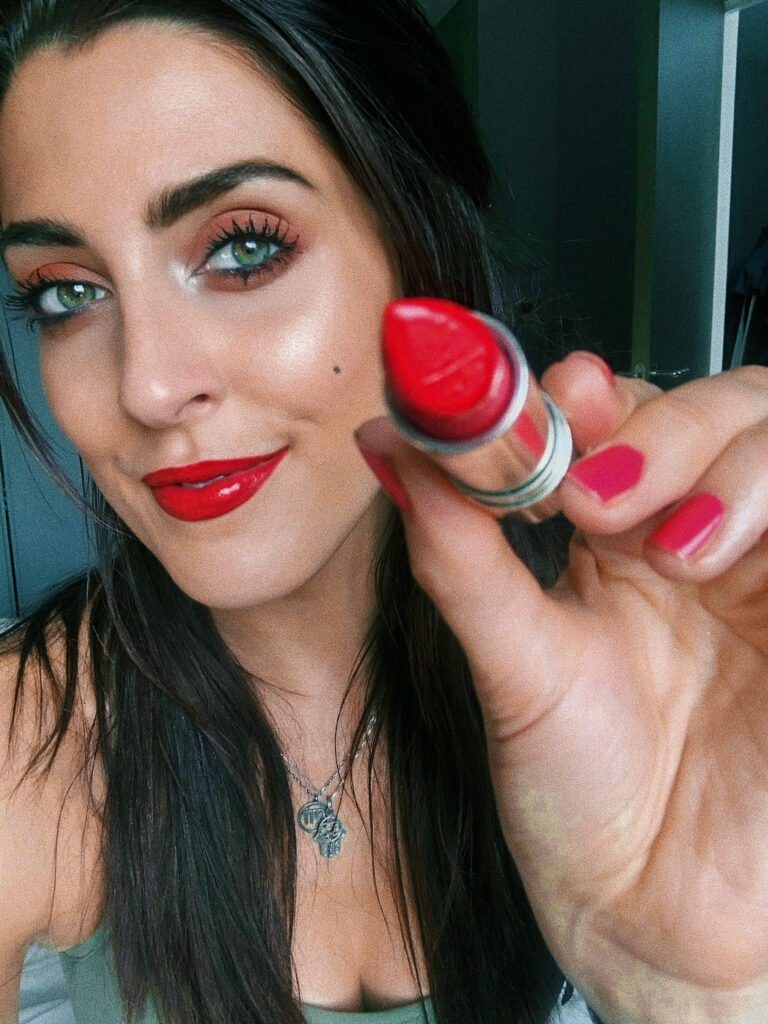
This is a red pigment used in lipsticks, blushes, and eyeshadows. It gives that beautiful, rich red colour. The catch? It is made from crushed cochineal beetles. If you see 'Carmine', 'Cochineal Extract', 'Natural Red 4', or 'CI 75470', it is not vegan.
2. Lanolin
Lanolin is incredibly common in lip balms, heavy moisturisers, and nipple creams. It is a grease extracted from sheep's wool. While the sheep aren't killed for it, it is definitely an animal byproduct. Look for plant-based alternatives like shea butter or coconut oil instead.
3. Keratin
We see this everywhere in haircare, promising strong, shiny locks. However, traditional keratin is derived from the hair, nails, horns, and hooves of animals. Thankfully, many brands now use 'phyto-keratin' or plant-based amino acids that do the exact same job.
4. Beeswax (Cera Alba)
This is probably the most common non-vegan ingredient you will find, especially in mascaras, lipsticks, and balms. It is used to keep emulsions from separating. On an ingredients list, it will often appear as 'Cera Alba'. Candelilla wax or carnauba wax are great vegan alternatives.
How to Make It Easy
I know this sounds like a lot to remember, but please don't panic! You don't need to memorise a dictionary. Here is how I make it easy:
First, look for the official Vegan Society sunflower logo or the V-Label. If a product has that, the hard work is done for you. Second, find brands you trust and stick with them. Once you know a brand is 100% vegan and cruelty-free, you can shop their entire range without checking a single label.
And finally, be kind to yourself. We all make mistakes, and we have all accidentally bought something that turned out not to be vegan. Use it up, learn from it, and make a different choice next time. Ethical beauty is a journey, not a test you have to pass perfectly every time.